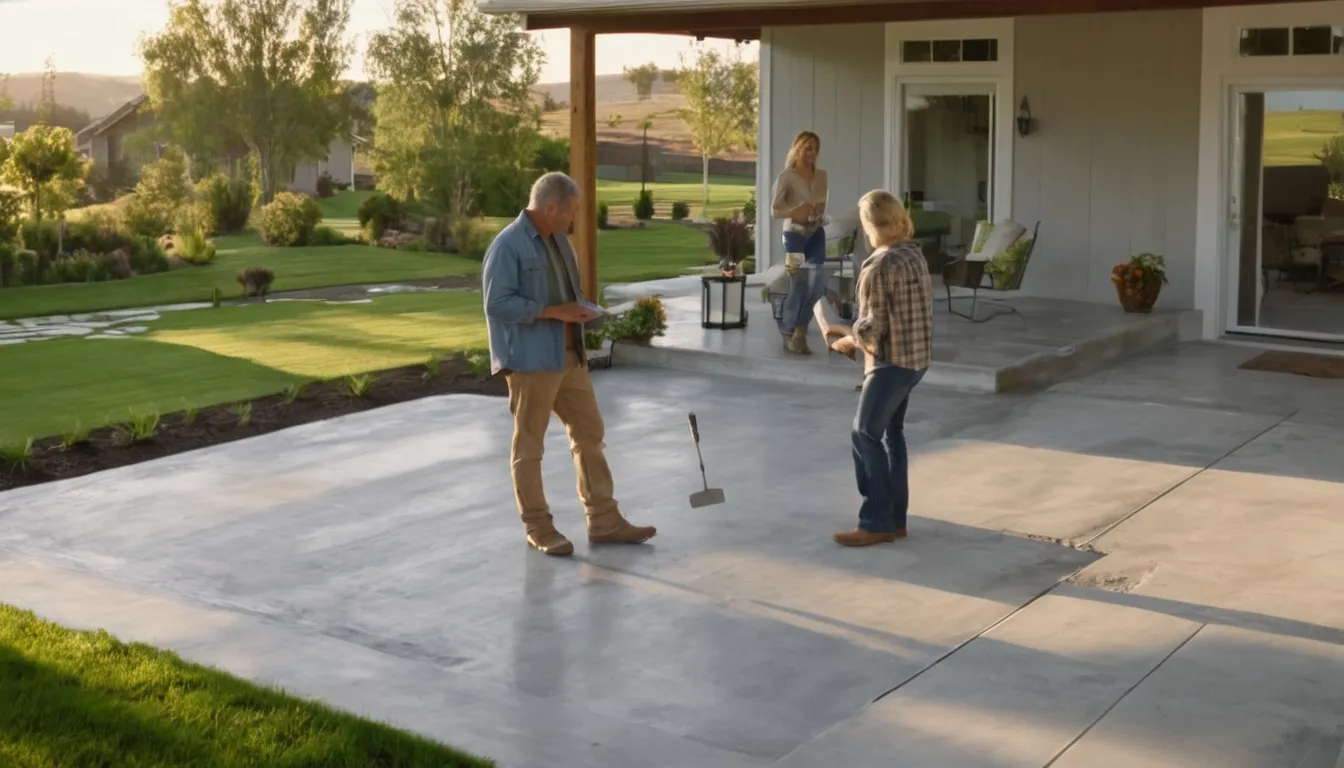
A new concrete patio is a big project, and the choices can feel scattered. Size, finish, drainage and timing all affect the result. Nonsenseorganization Concrete puts them in a clear order so you know what to expect before anyone breaks ground.
Nonsenseorganization Concrete is a referral service. It does not pour or finish concrete. Instead, it connects homeowners in the Raymore area with independent local providers in our network. A provider looks at your yard, talks through the options and gives a written quote. You compare, ask questions and decide at your own pace. Send a request when you are ready, and there is no obligation to hire anyone.
Planning a New Patio? Start Here
Patio work follows a clear order. First, know options. Next, get quotes. Then, decide calmly. This page follows that order for a new concrete patio.
Nonsenseorganization Concrete is a referral service. Independent providers in our network do the work. Nonsenseorganization Concrete helps you reach one.
Check the Time-Sensitive Items First
Some things have a deadline. Look at these before you pick a finish.
- Weather window: Concrete cures well in mild weather. Deep frost in cold months can push pours back.
- Provider schedules: Spring and early summer fill up. Request a callback to check provider availability.
- Permits and approvals: Some towns and neighborhood groups want a review. This can take weeks.
- Utility marking: Buried lines should be marked before digging starts.
Step 1: Decide What the Patio Is For
Write down the main use. A grill and a table need a different layout than a hot tub or a fire pit.
- Dining and grilling
- Lounge seating
- Play space
- A path from the back door to the yard
The use sets the size, the slope and the finish. A provider can adjust the plan from there.
Step 2: Choose a Size
Measure the space you have. Then mark the outline with spray paint or a garden hose. Walk around it. Set a chair and a table inside it if you can.
Quick Sizing Guide
- Small bistro set: about 10 by 10 feet
- Table for six: about 12 by 14 feet
- Table plus lounge area: about 16 by 20 feet
Leave room for chairs to slide back. Bigger slabs cost more, so size is the first lever on the budget.
Step 3: Compare Finish Options
The finish changes the look, the grip and the price. Here are the common choices.
Broom Finish
This is the plain, textured surface. It grips well when wet and is usually the simplest to price.
Stamped Concrete Patios
Stamped concrete patios use patterns pressed into the surface. They can look like stone, brick or wood. Color is added for a fuller look. Stamping takes more labor, so the price rises.
Exposed Aggregate and Color
This finish shows small stones in the surface. It hides dirt well. Integral color can also be mixed in for an even tone.
Step 4: Plan Drainage Near the House
Water has to go somewhere. A patio next to the house should slope slightly away from the walls. Many regional homes have full basements with sump pumps, so runoff matters.
Storms, hail and spring flooding can send a lot of water across a yard. Ask each provider how the slab will shed it. Also ask where downspouts will empty.
When the Foundation Needs a Look
Sometimes a yard shows signs of trouble before the patio goes in. Cracks in basement walls or doors that stick are examples. Foundation repair experts are a different trade from patio providers. It is wise to have that checked first. Concrete driveway repair is another separate type of job, and this page covers new patios only.
What a Patio Provider Visit Covers
A visit is simple. The provider looks at the site and measures it. They check slope, soil and access for equipment. Then they talk through options.
Expect questions about size, finish and any old concrete to remove. Concrete flatwork is the trade term for slabs like patios, walks and pads. You may hear it during the visit.
Step 5: Compare Written Quotes
Get at least two quotes in writing. Line them up side by side.
- Total square feet
- Slab thickness
- Base material and depth
- Reinforcement type
- Joint layout
- Finish and sealer
- Cleanup and hauling
If one number looks far apart from the rest, ask why. A short, clear quote is a good sign.
Questions to Ask Before You Sign
1. Is the provider licensed where required locally? 2. Is there liability insurance on the job? 3. Who is on site on pour day? 4. How are cracks and weather delays handled? 5. When is payment due?
Cure Time and the First Weeks
Fresh concrete looks ready before it is. Foot traffic is often fine after a few days. Heavy furniture and grills usually need to wait longer. Full strength builds over about a month. Follow the provider's timeline.
Caring for Your New Patio
Good habits keep a slab looking sharp.
- Seal it when the provider advises.
- Sweep dirt and leaves often.
- Clean spills quickly.
- Skip rock salt in winter. Ask which ice melt is safe.
- Keep gutters and downspouts clear.
Small hairline cracks can still appear. Joints are placed to guide them.
Ready for the Next Step?
You now have the order: use, size, finish, drainage and quotes. Request a callback to talk through your project, or send a request and a local provider can follow up. There is no obligation.
What's Included
Site Check
A provider measures the space, checks slope and soil, and notes how equipment can reach the yard.
Base and Forms
The ground is shaped and compacted, then wood or metal forms set the patio's outline.
Pour and Finish
Concrete is placed, leveled and given the chosen texture, color or stamped pattern.
Curing and Sealing
The slab rests while it hardens, then a sealer may be applied.
Typical Patio Costs in the U.S.
Prices vary by site, region and finish. These are typical U.S. ranges, not quotes. Ask each provider for a written quote that lists every item so you can compare them fairly.
| Item | Typical range | Notes |
|---|---|---|
| Plain broom-finish slab | $6 – $12 per sq ft | Basic 4-inch slab with a textured surface |
| Stamped and colored slab | $12 – $22 per sq ft | Pattern, color and extra labor raise the price |
| Exposed aggregate slab | $8 – $18 per sq ft | Shows small stones; hides dirt well |
| Site prep and gravel base | $1 – $4 per sq ft | Depends on soil and how much digging is needed |
| Old patio removal | $2 – $6 per sq ft | Includes hauling; varies by thickness |
| Grading or drainage work | $500 – $3,000 | Depends on slope and where water must go |
How It Works
First, Know Options
Review sizes, finishes and drainage choices so you know what to ask for before any visit.
Share Your Project
Request a callback or send a request with your yard details and goals.
Next, Get Quotes
A local provider looks at the site and gives you a written quote to compare.
Then, Decide Calmly
Choose the provider and schedule that fit your plans and budget.
Why Call Nonsenseorganization Concrete
Options Come First
You see your choices laid out before anyone asks you to pick one.
Plain Steps
Each stage is explained in order, so nothing about the process feels like a surprise.
Local Providers
Independent providers in our network know regional frost, storms and soil, and do the actual work.
No Pressure
You compare written quotes and decide when you are ready. There is no obligation.
Other Services
Need concrete patios help in Raymore?
Have a driveway or patio project in mind? Send a few details and Nonsenseorganization Concrete will point you to a local provider in our network.
No obligationConcrete Patios Help FAQ
How thick should a concrete patio be?
Most home patios are about four inches thick, set on a compacted gravel base. A provider may suggest more for heavy loads like a hot tub, and may add reinforcement. Ask for the thickness in the quote.
How long until I can use a new concrete patio?
Light foot traffic is often fine after a few days. Furniture and grills usually wait longer, and full strength takes about a month. Your provider will give the timeline for your mix and weather.
Can a patio be poured in cold weather?
It can be, but deep frost makes it harder. Providers may use special mixes, blankets or heat. Many prefer to wait for milder weather, so ask how a delay would be handled.
Request a callback
Have a driveway or patio project in mind? Send a few details and Nonsenseorganization Concrete will point you to a local provider in our network.
No obligation